POLICE MISCONDUCT AFFECTING GAY AND OTHER LGBTQ+ PEOPLE · THE NETHERLANDS
Police Intimidation and Misconduct Affecting LGBTQ+ People in the Netherlands
Personal accounts involving alleged homophobic treatment, discrimination, complaint refusals, abuse of authority and institutional failures.
GayJustice.org publishes personal accounts documenting reported experiences of homophobia, police intimidation, discriminatory treatment, complaint refusals and institutional conduct. These testimonies are published at the request of the individuals concerned or their relatives. GayJustice.org distinguishes between documented facts, first-hand experiences, family accounts, interpretations and allegations that have not been independently established.
Read how we classify evidence, handle personal testimony and correct published material in oureditorial methodology.
PERSONAL DOSSIERS
Personal accounts and family testimonies
These dossiers document reported experiences involving homophobia, intimidation, police conduct and access to justice in the Netherlands.
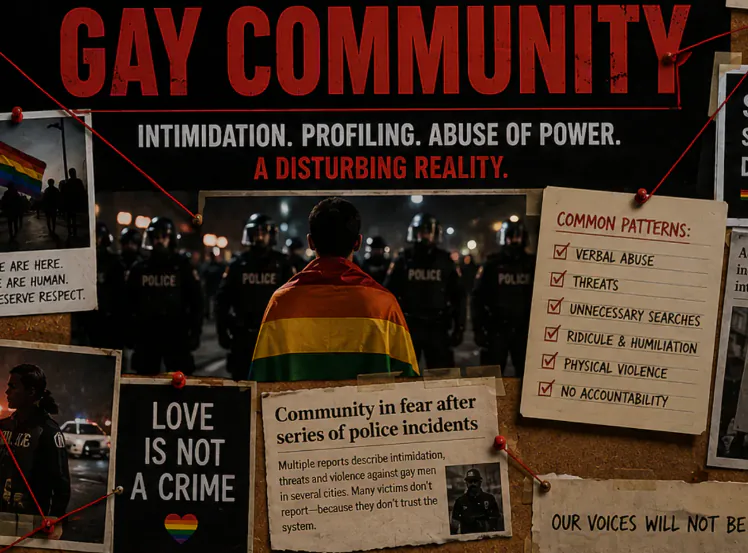
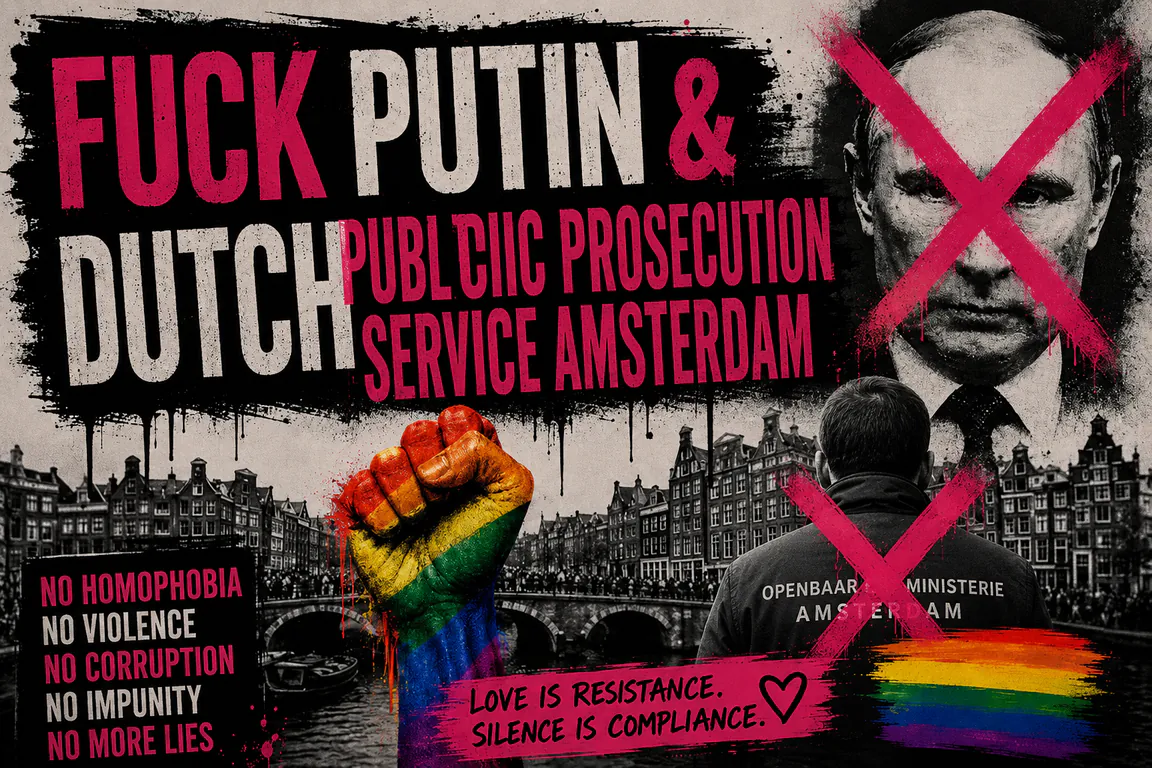
PERSONAL DOSSIER · AMSTERDAM · 2017–PRESENT
Police Homophobia/ Intimidation in Amsterdam
A prolonged period of reported digital disruption, suspected interference, homophobic discrimination, serious accusations and unsuccessful attempts to obtain clarity from public authorities.
Read the complete dossier →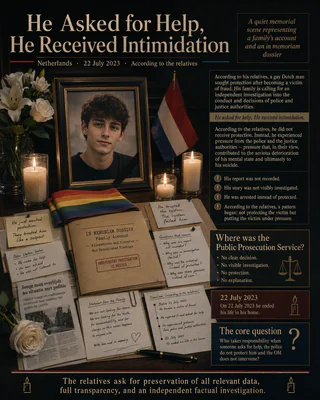
IN MEMORIAM · 22 JULY 2023
Police Intimidation leading to Suicide
A gay Dutch man approached the police after becoming a victim of fraud and expected assistance, but became a victim. His family says that instead of feeling protected, he experienced pressure, provocation and treatment that made him feel as though he had become the suspect. The family claims that the police's actions caused him to commit suicide.
Read the family's account →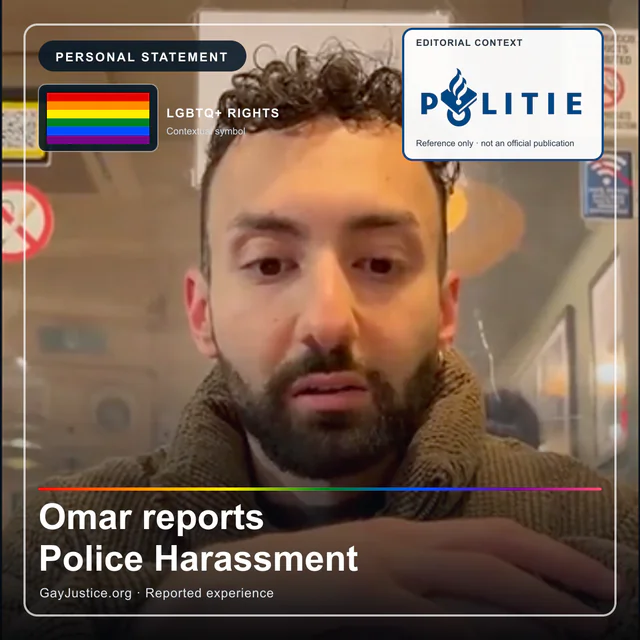
PERSONAL STATEMENT · NETHERLANDS
Police Refused To Take His Complaint
Omar reports that he attempted to make a formal complaint or criminal report to the Dutch police but was not taken seriously and was not given a meaningful opportunity to have his allegations properly recorded.
Read Omar's personal statement →Personal dossiers contain testimonies and reported experiences. Allegations that have not been independently established are identified as allegations, reports, personal accounts or family accounts.
When seeking police protection leads to fear
Reported police misconduct can take different forms. It may involve alleged excessive force, intimidation, discriminatory treatment, abuse of authority, complaint refusals or failures to provide protection.
For LGBTQ+ people, these experiences may be intensified by homophobia, prejudice, disbelief or institutional indifference.
The stories published on GayJustice.org describe situations in which individuals or their relatives say that police and justice authorities failed to respond appropriately, refused to listen or contributed to further distress.
Every person deserves to be treated with dignity, regardless of sexual orientation, gender identity, nationality, background or legal status.
What can reported police misconduct include?
Reported police misconduct may involve:
- unnecessary or disproportionate physical force;
- threatening, degrading or intimidating behaviour;
- homophobic, transphobic or discriminatory remarks;
- pressure, manipulation or deliberate provocation;
- unlawful arrest, detention or questioning;
- refusing or discouraging a person from filing a complaint;
- failing to protect a known victim;
- treating a complainant as a suspect without proper justification;
- misuse of police information, surveillance powers or personal data;
- concealing records or refusing meaningful transparency;
- retaliation against people who complain about police conduct.
Not every negative police interaction legally qualifies as misconduct. The exact legal classification depends on the facts, available evidence and applicable law.
However, reports of intimidation, discrimination, violence or abuse of authority must be taken seriously and investigated independently.
LGBTQ+ people and police accountability
LGBTQ+ people must be able to approach the police without fear of ridicule, discrimination or retaliation. A person who reports homophobic violence, fraud, threats, stalking or institutional misconduct should be heard fairly, treated with dignity and have their report assessed impartially.
When police officers are themselves accused of discriminatory or abusive behaviour, ordinary internal procedures may not always provide sufficient public confidence. Independent oversight is especially important where allegations concern:
- homophobic or transphobic treatment;
- physical or psychological intimidation;
- refusal to register a criminal complaint;
- manipulation or provocation;
- misuse of police powers;
- failures that may have contributed to serious harm or death.
Transparency protects both members of the public and police officers. A credible investigation can establish what happened, distinguish facts from allegations and identify whether policies, supervision or individual decisions failed.
Why GayJustice.org publishes these stories
Personal testimonies can reveal patterns that would otherwise remain invisible. Many people who report police misconduct feel isolated, disbelieved or unable to navigate complex complaint procedures. Some do not know which records exist, which authority is responsible or how to request an independent review.
GayJustice.org publishes these accounts to:
- preserve personal testimony and supporting documentation;
- distinguish established facts from reported experiences and allegations;
- identify unanswered questions;
- explain relevant complaint and information-access procedures;
- encourage independent investigation;
- promote equal treatment and institutional accountability;
- help prevent similar experiences from happening to others.
Publication does not mean that every allegation has been independently proven. It means that the account raises matters of legitimate public interest that deserve examination, transparency and a fair response.
Have you experienced police misconduct?
You may be able to document the incident and submit a complaint or information request. Useful evidence may include:
- dates, times and locations;
- names or identification numbers of officers;
- witness details;
- photographs, video or audio recordings;
- emails, letters and chat messages;
- medical reports;
- police reference numbers;
- custody or arrest records;
- copies of previous complaints;
- a written timeline prepared as soon as possible after the incident.
Depending on the circumstances, relevant procedures may include:
- a complaint to the Dutch police;
- a criminal complaint;
- a request for police data under the Wpg;
- an access request under the GDPR or AVG;
- a request for judicial or prosecution records under the Wjsg;
- a Woo public-information request;
- a complaint to the National Ombudsman;
- proceedings before the Netherlands Institute for Human Rights;
- advice from a lawyer or legal-aid organisation.
Submit a personal testimony
GayJustice.org may consider publishing carefully documented personal accounts involving alleged anti-LGBTQ+ discrimination, police misconduct, intimidation or institutional failure. Submissions should clearly distinguish between:
- events personally witnessed;
- information received from another person;
- documented facts;
- personal interpretations;
- allegations that have not been independently established.
Where appropriate and legally possible, GayJustice.org may request supporting records, correspondence or other documentation before publication.
Contact GayJustice.org →Frequently asked questions about police misconduct in the Netherlands
What is police misconduct in the Netherlands?
Police misconduct refers to behaviour by Dutch police officers that may be unlawful, discriminatory, intimidating or an abuse of authority. It can include excessive force, homophobic or transphobic treatment, refusal to register a criminal complaint, psychological intimidation, misuse of police data or failures to protect a known victim. Not every negative police interaction legally qualifies as misconduct; the classification depends on the facts, evidence and applicable law.
How do I file a complaint against the Dutch police?
You can submit a complaint to the Dutch police, file a criminal complaint, request police data under the Wpg, make an access request under the GDPR or AVG, request judicial or prosecution records under the Wjsg, submit a Woo public-information request, complain to the National Ombudsman, or bring proceedings before the Netherlands Institute for Human Rights.
View police complaint and data-access guidance →Can Dutch police refuse to record a criminal complaint?
The right to report a suspected criminal offence is an essential part of access to justice. When a person is prevented from filing a complaint, it may leave them without protection, documentation or an effective route to further legal action. GayJustice.org documents personal accounts where individuals report that their complaints were allegedly not accepted and calls for independent examination of such cases.
Where can LGBTQ+ people get help after police misconduct?
LGBTQ+ people who experience reported police misconduct can document the incident, preserve evidence, submit a complaint to the Dutch police or National Ombudsman, request access to personal data, seek advice from a lawyer or legal-aid organisation, or bring proceedings before the Netherlands Institute for Human Rights. GayJustice.org provides general legal information and practical guidance, not individual legal advice.
What evidence should I preserve after a police misconduct incident?
Useful evidence may include dates, times and locations, names or identification numbers of officers, witness details, photographs, video or audio recordings, emails, letters and chat messages, medical reports, police reference numbers, custody or arrest records, copies of previous complaints and a written timeline prepared as soon as possible after the incident.
Editorial and legal notice
The dossiers on this page contain personal testimonies, family accounts and reported experiences. Allegations that have not been independently established are identified as allegations, reports or personal accounts. Publication does not constitute a judicial finding and does not imply that any identified person or institution has committed a criminal offence.
GayJustice.org supports the principles of fairness, accuracy, proportionality, the right of reply and correction of factual errors. GayJustice.org provides general legal information and public-interest commentary. It does not provide individual legal advice or legal representation.
Protection requires accountability
Public confidence in the police depends on lawful conduct, equal treatment and effective oversight. When someone reports violence, discrimination or abuse of authority, the response should not be silence, intimidation or obstruction. It should be documentation, impartial investigation and access to justice.
Every person deserves protection.
Every serious allegation deserves a fair examination.
Every public institution must be accountable to the people it serves.
 GayJustice.org